
By unit
Identify which wings and care areas use the most inventory.
Nursing Homes
AEKONAMI supplies case quantities of disposable gloves for nursing homes and long-term-care purchasing teams. Compare exact product specifications, sizing and intended use, then plan the size mix and inventory your facility needs across resident-care areas and shifts.
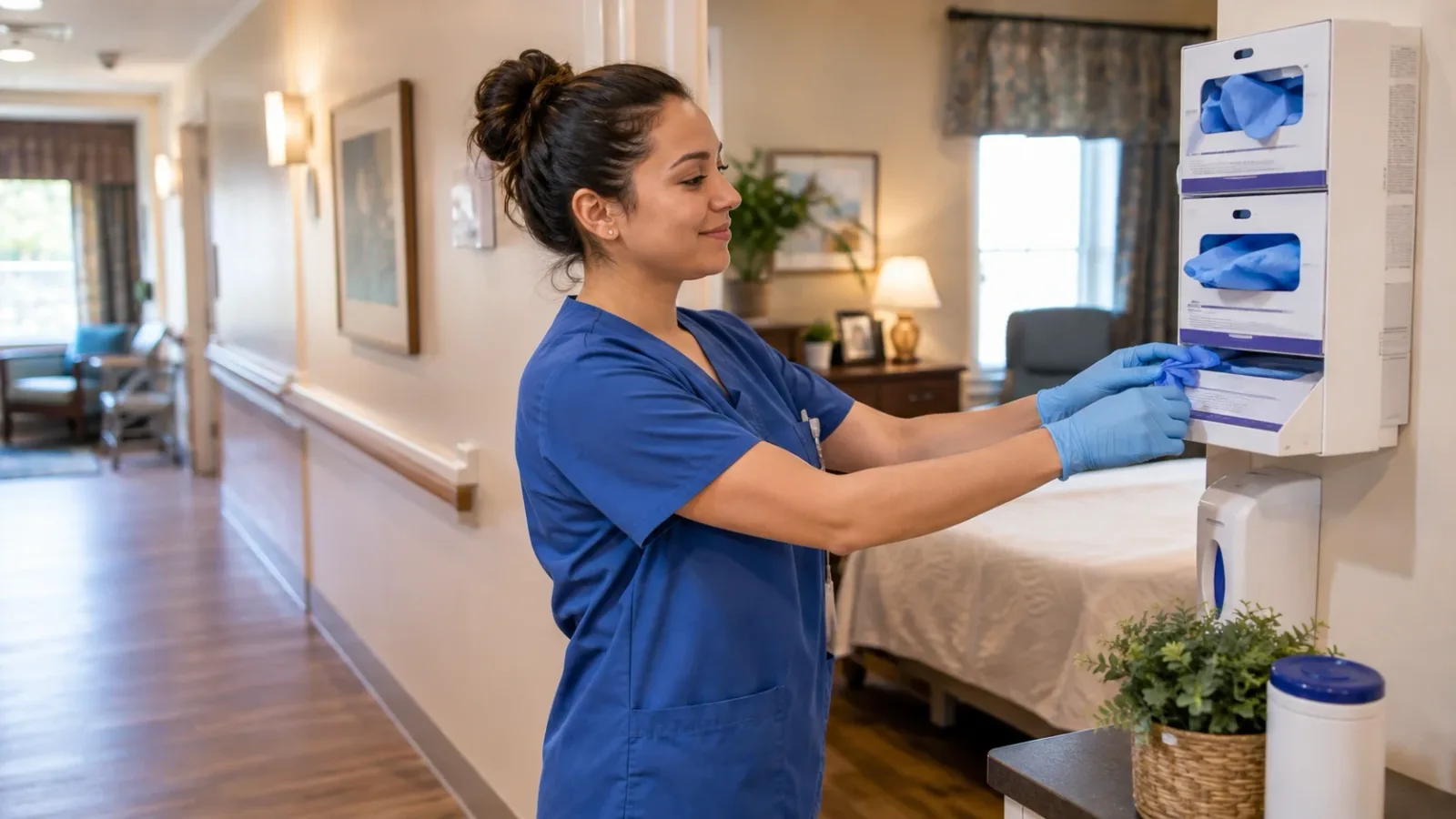
Point-of-care availability
Nursing homes may need glove inventory available across resident rooms, wings, care stations, treatment areas where applicable and multiple shifts. The purchasing question is not only how many cases are ordered, but which SKUs and sizes are stocked, where they are placed, how rapidly they are consumed and when they need replenishment.
Maintain case inventory around the facility's selected products and size mix.
Allocate stock to the areas with recurring resident-care activity.
Keep selected SKUs and sizes accessible according to facility policies.
Track which sizes and products are used across roles and shifts.
Use actual consumption to restore common sizes before they run low.
Usage planning
Long-term-care staff perform many recurring resident-care activities. Glove use should follow facility infection-prevention policies, applicable precautions, anticipated exposure and task requirements.
Identify which wings and care areas use the most inventory.
Review which sizes are consumed most often and which run low first.
Observe whether day, evening or overnight staffing changes usage.
Track the selected products used in each intended application.
Use historical usage to set practical reorder triggers.
The appropriate glove and when it is used depend on the resident-care task, anticipated exposure, facility infection-prevention program, applicable precautions and the exact product's intended use and specifications.
For purchasing, the goal is to keep the appropriate selected products and sizes readily accessible where staff need them.
Repeatable facility rhythm
Determine which units, rooms or work areas need disposable-glove inventory.
Review the exact product's intended use, classification, specifications and facility requirements.
Plan sizes around actual staff fit needs.
Allocate inventory where care is actually performed according to facility policies.
Review usage by unit, shift, SKU and size.
Use actual consumption to establish practical reorder timing.
Compare exact product information
Compare the exact product page for current classification, intended use, specifications, sizes and case quantities. Match the selected product to the intended task, facility requirements and product documentation.
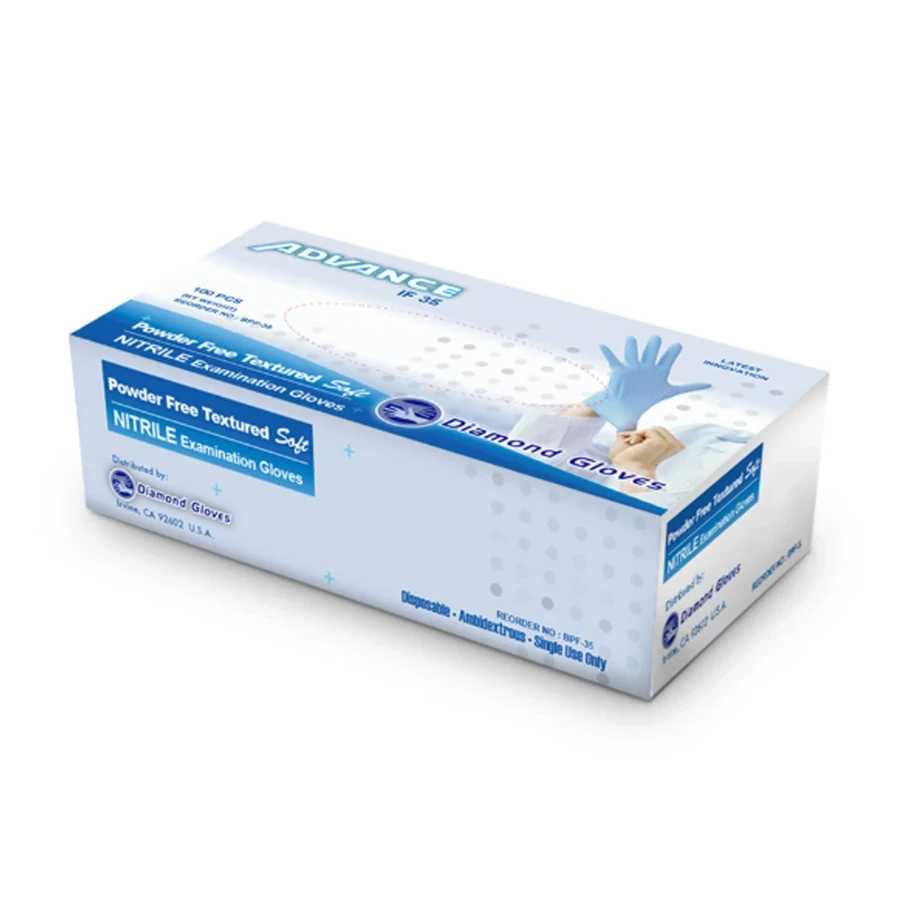
Examination gloves
Model: IF35
Powder-free blue nitrile examination gloves with case quantities for routine supply planning.
View product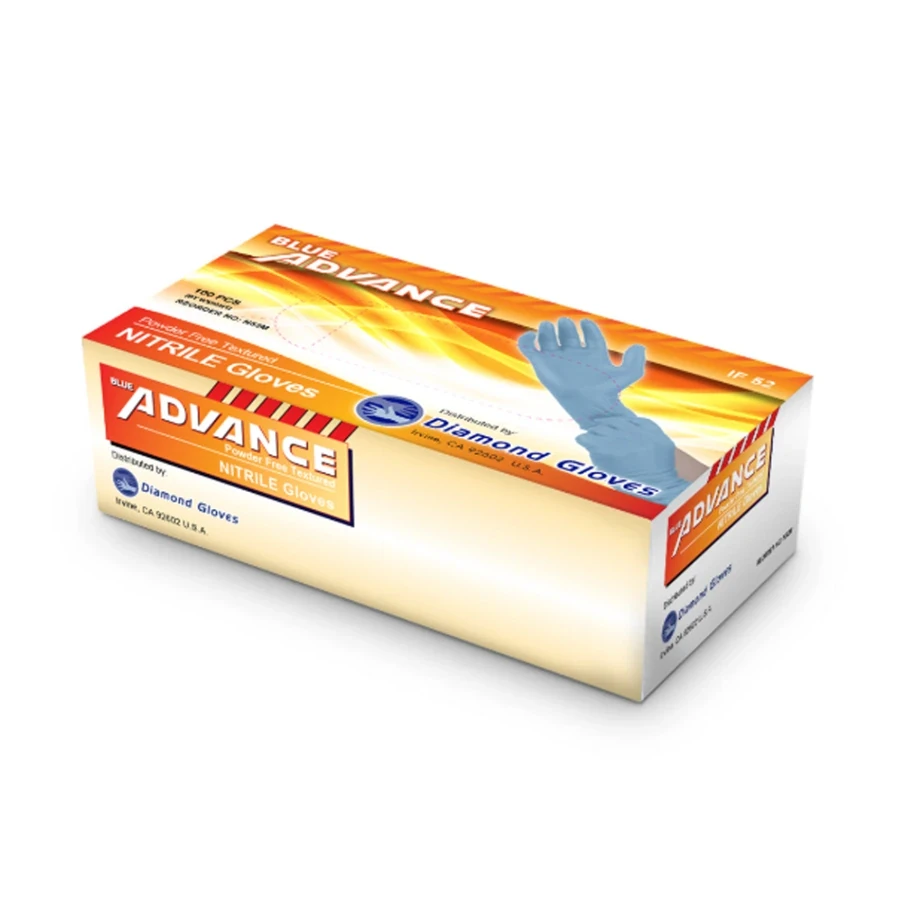
Examination gloves
Model: IF52
Powder-free blue nitrile examination gloves for buyers comparing available sizes and case quantities.
View product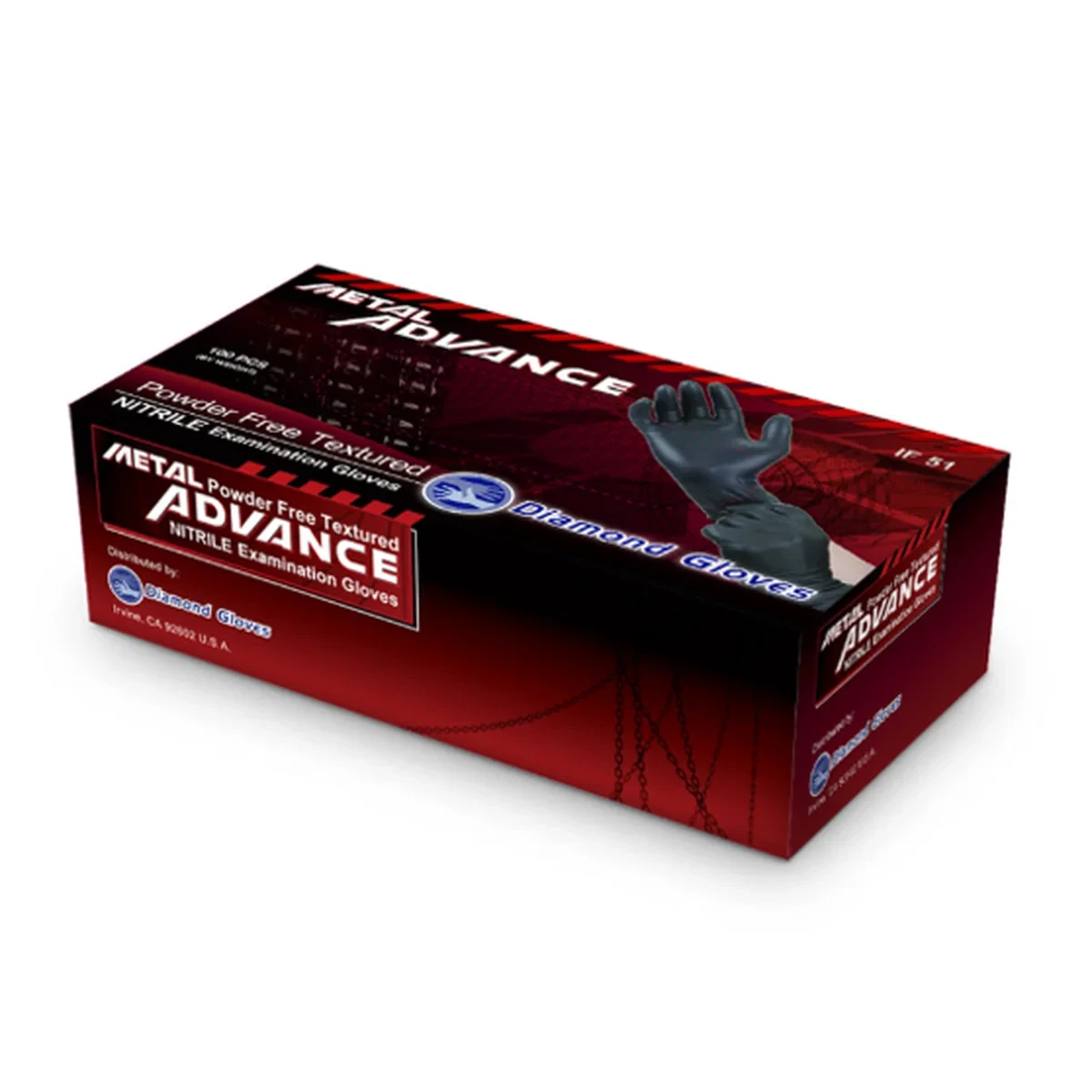
Examination gloves
Model: IF51
Black nitrile examination gloves. Review the product page for current specifications, sizes, case quantities and intended-use details.
View product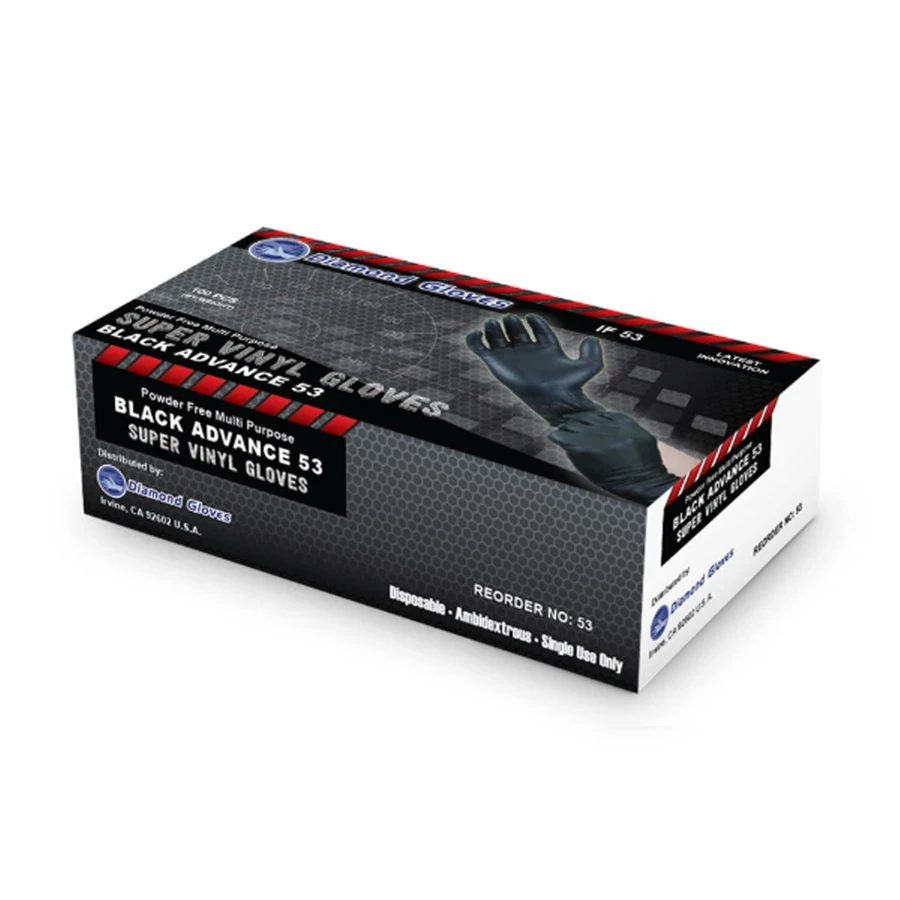
Vinyl gloves
Model: IF53
A cost-conscious vinyl option for buyers comparing material, sizing, case quantities, and intended-use requirements. Review the product page for current specifications and available sizes.
View productPlanning matrix
Where is glove consumption concentrated?
Where must inventory remain readily accessible?
Which glove sizes are actually being used?
Does usage differ across day, evening or overnight staffing?
Which selected glove products are used for the facility's different intended applications?
When should each SKU and size be replenished?
Staff size mix
Nursing homes may have nurses, CNAs, aides and other care staff with different fit needs. Review available sizes for each selected SKU, observe actual staff size demand and track consumption by size. Avoid allowing less-common sizes to run out simply because Medium and Large dominate purchasing.
Build a practical plan around cases on hand, boxes and cases consumed over time, usage by size and unit, storage capacity, commonly used SKUs, purchasing frequency and reorder triggers. Historical facility usage is the best starting point for planning case inventory and volume-pricing conversations.
Avoid overgeneralizing
Nitrile is a material, not automatically an exam grade.
Nitrile is latex-free, but material alone does not determine suitability for a care task.
Thickness is one product characteristic and does not automatically establish suitability or protection for a specific application.
Fit and sizing can influence comfort and usability across staff.
Reference library
Compare product classification and intended use when reviewing selected gloves for long-term-care purchasing.
Read resourceUse sizing guidance to plan a practical mix for care teams across units and shifts.
Read resourceReview thickness as one product characteristic within a broader purchasing evaluation.
Read resourceCompare material differences while matching products to facility requirements and documentation.
Read resourceB2B ordering
AEKONAMI sells disposable gloves by the case. 100+ cases is the standard volume-pricing threshold. Nursing homes ordering fewer than 100 cases may also request volume pricing; AEKONAMI can review the requested quantity and advise whether additional savings are available.
Free standard shipping within the contiguous U.S.
Purchasing questions
Compare product information, plan case quantities and request volume pricing for your long-term-care facility.
(626) 213-0054